
Failure Is Never An Option.
Knowledge drives our innovation. Innovation is fueled by technology. Technology creates solutions. Solutions are the backbone of Talco’s heritage.
Talco fire pump systems are a vital part of any commercial fire protection strategy. The demand for appropriate flow and pressure are critical factors in the overall capabilities of the system, but there are so many additional factors that must be evaluated and solved. That’s where Talco’s unrivaled experience and attention to detail truly excel.
We’ve navigated every nuance of NFPA-20 codes. We offer proven and complete systems that comply with most common installations, as well as custom solutions to address more complex needs.
You can depend on Talco for quality commercial fire pump systems and all the technical expertise you’ll need throughout the process.
NFPA13R
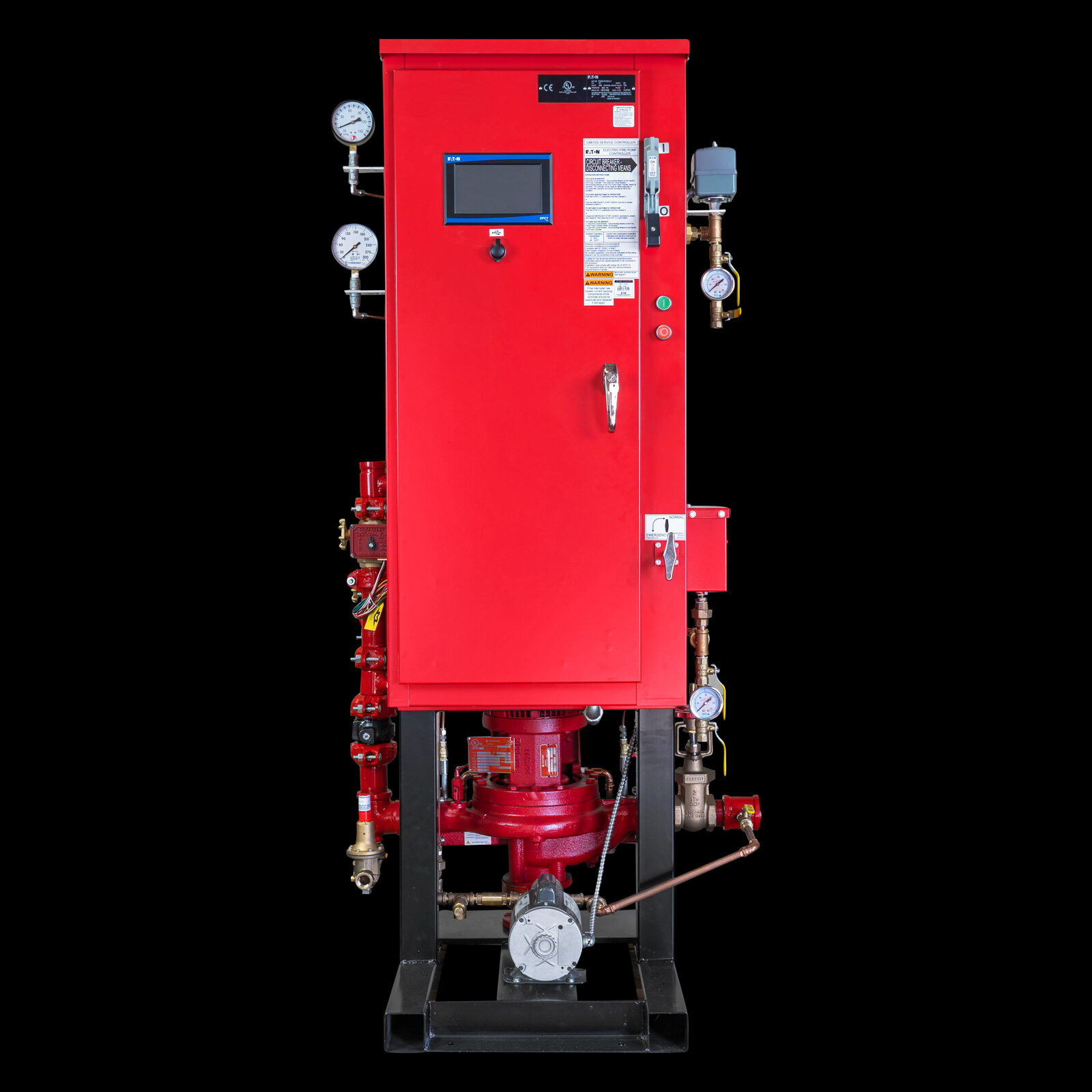
13 ULV
UL listed vertical inline fire pump and controller packaged with sensing line, test port and casing relief valve. Jockey pumps are an optional addition.
NFPA20
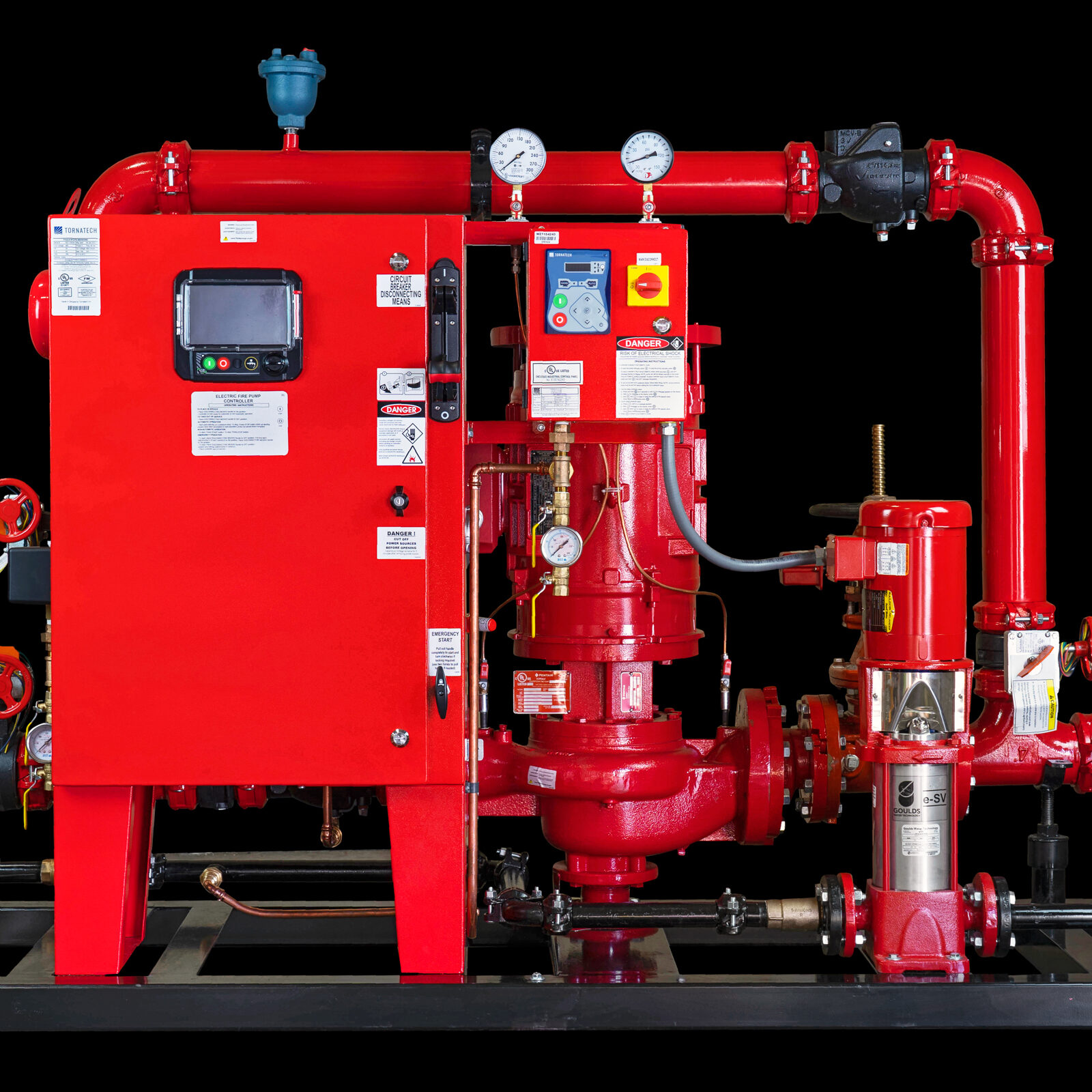
ULR
Fully NFPA 20 & NFPA 13R compliant. Flow rates range from 50 to 1500 GPM with pressures up to 160 PSI. System options include test headers, flow loops, city bypass loops, jockey pumps, and an array of controllers to choose from.
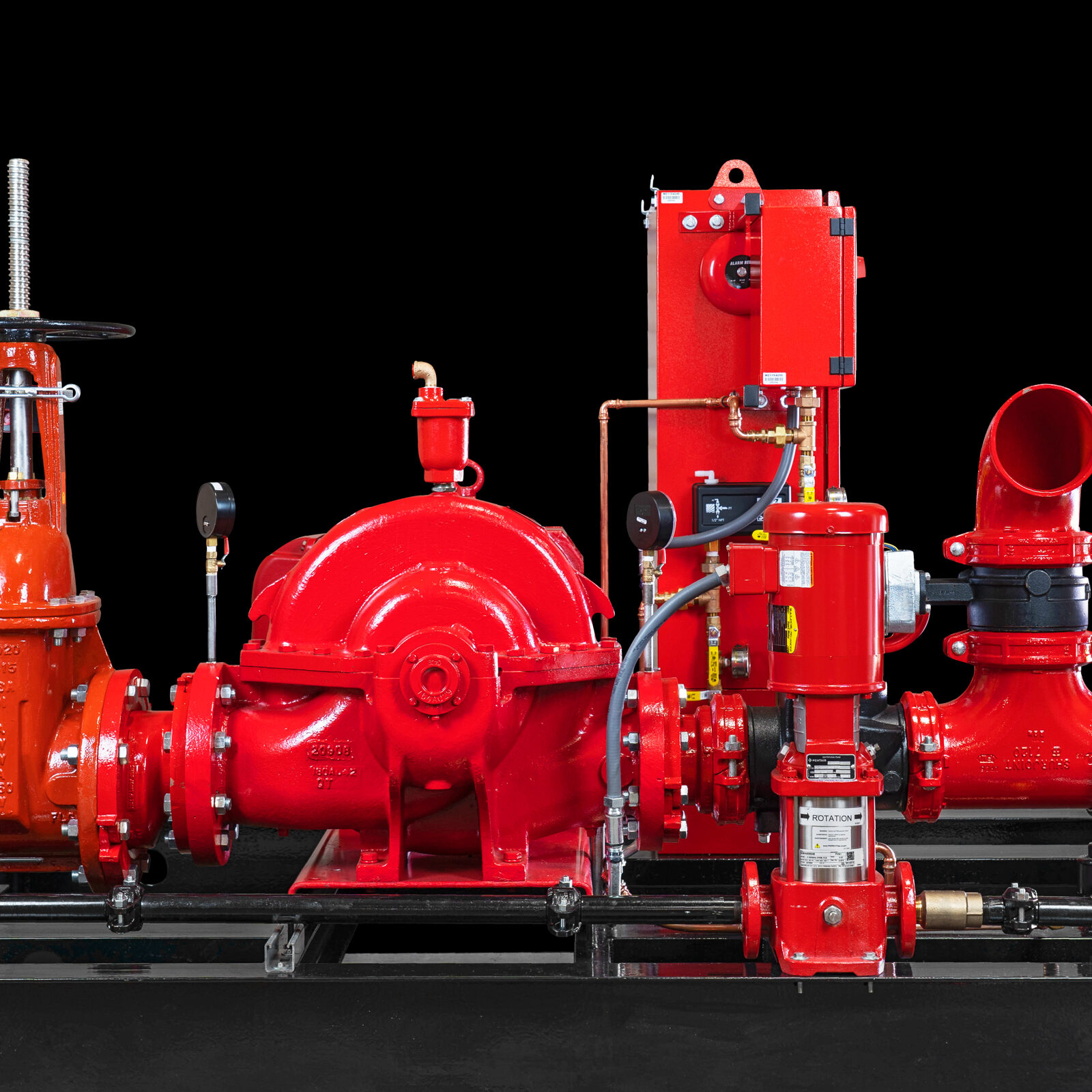
G Series
Let us design and build your packaged fire pump system for commercial/industrial use. Diesel, electric or both.